There is an art to making lips look quietly beautiful. When done well, subtle lip augmentation is less about making lips bigger and more about restoring balance, hydration, and definition. Patients usually come in with a simple request: I want people to notice I look fresher, not my injections. The good news is that modern techniques, paired with the right products, can achieve that soft, natural finish far more reliably than the flashy, overfilled look that made early headlines.
I have treated thousands of lips across ages, skin types, and facial structures. The most satisfying results come from careful planning, conservative dosing, and respect for anatomy. The following guide explains how subtle lip filler works, what to expect from lip injections, and the small decisions that add up to a believable result.
What subtle really means
Natural looking lip filler does not change your identity. It refines proportions, reinforces lip borders where collagen has faded, corrects asymmetry, and restores the gentle roll of the vermilion without bloating the surrounding tissues. Think of it as adding structure and sheen rather than inflating volume. On the face, balance beats size every time.
A subtle approach focuses on three pillars. First, shape: the cupid’s bow, philtral columns, and lip border definition. Second, proportion: the relationship between top and bottom lip, and lip width relative to the nose and chin. Third, quality: hydration, smoothness, and the way lips reflect light. When these elements work together, lips can look softly plump, yet authentic, both at rest and in motion.
What is lip filler, and what’s in it
Most modern lip fillers are made of hyaluronic acid, a sugar molecule naturally found in skin and connective tissue. In fillers, HA is crosslinked to form a gel that holds shape longer. Brands differ in softness, elasticity, cohesivity, and how they integrate with tissue. These lab properties translate to how a filler behaves in the lips: whether it spreads like a gloss, holds a crisp border, or stacks for volume.
There are temporary lip filler options, typically lasting 6 to 12 months in the lips, and there are permanent lip filler and implant options. Permanent choices seem appealing at first glance, but they carry higher risks of long term complications and limited flexibility should your preferences change, which is why most providers favor temporary HA fillers. If needed, HA can be dissolved with hyaluronidase, giving both you and your injector a safety net.
Choosing the right filler for a natural finish
There is no single best filler for lips. Different concerns call for different handling. If the goal is hydration and sheen for dry lips, a low viscosity, flexible gel is ideal, sometimes called a “skinbooster” style filler. For crisp lip border definition or enhancing cupid’s bow, a slightly firmer gel supports structure without bulking. For volume in thin lips, a soft but resilient gel that resists migration and moves naturally when you talk or smile works well. For lip filler for mature lips or vertical lines, we pick a product that integrates seamlessly and does not exacerbate creasing.
Brands are not one size fits all. The same brand can have multiple lines designed for different depths and functions. A skilled injector will match gel properties to your anatomy and goals rather than default to a favorite product every time.
Subtle goals for specific concerns
Patients often come in with one main wish. Here are common scenarios, along with how I approach them.
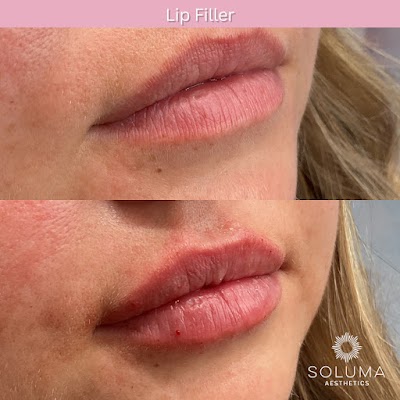
Lip filler for thin lips: Aim for gentle expansion of the vermilion and a soft lift to the tubercles, keeping the top to bottom lip ratio close to 1:1.6. Overfilling the upper lip on a thin base can flip it outward and look artificial, especially in profile.
Lip filler for definition: Focus on the white roll and cupid’s bow, with micro-aliquots along the border. The goal is a sharper outline that holds lipstick and catches light, not a thick ridge.
Lip filler for asymmetry: Correct the smaller side, not by overstuffing, but by lifting deficient zones and fine tuning the peaks. Asymmetry is normal, so the finish should look harmonized, not identical.
Lip filler to lift corners: Small placements at the oral commissures can counter a downward turn. Sometimes pairing with a tiny neuromodulator for depressor anguli oris can help, though that crosses into the difference between lip filler and Botox territory.
Lip filler for smokers lines: Use soft filler placed superficially to soften vertical lines without giving a mustache-like bulge. Hydrating lip filler can improve the look of fine etching without adding visible volume.
Techniques that favor a soft result
Technique matters as much as product choice. The best technique for lip filler depends on your anatomy and desired finish. For subtle lip filler, I rely on micro-aliquots with a fine needle along the vermilion border for definition, and gentle linear threading within the body of the lip to recruit volume progressively. Cannulas can reduce bruising in some patients, especially for the lower lip and lateral zones, but a needle offers precision for borders and peaks. Most treatments combine both.
I avoid fanning large volumes quickly or placing heavy boluses in the wet-dry border, both common causes of “ducky” projections and filler migration. Respecting natural tubercles and the philtral columns prevents the upper lip from flattening or tilting. If someone requests top lip filler only, I still check the bottom lip. Usually a tiny touch in the lower lip keeps proportion in check and prevents the top lip from stealing attention. The inverse holds true for bottom lip filler only.
How much filler do you need for a subtle effect
For first time lip filler, less is more. I plan for 0.5 to 1.0 mL at the first appointment for a truly natural lip enhancement. In many cases, 0.6 to 0.8 mL achieves a visible, believable change. If you have very thin lips or significant asymmetry, you might need staged sessions. A lip filler top up four to eight weeks later, often 0.3 to 0.5 mL, lets us refine details once swelling has settled and you have lived with the result. This approach lowers the risk of lip filler gone wrong and respects the tissue.
What to expect at the appointment
A typical lip filler appointment takes 30 to 60 minutes including consultation. We start with a discussion: what is lip filler doing for your face, what are your priorities, and how much change feels right. I take photos to help you visualize lip filler before and after with consistent lighting and angles. We review your medical history, allergies, medications, and any previous filler. If you have an upcoming dental procedure or are pregnant or breastfeeding, we reschedule.
For pain control, most modern fillers contain lidocaine. I also use topical numbing and, if needed, a dental block. On the lip filler pain level scale, most patients describe the experience as a 3 to 5 out of 10 with numbing, brief and tolerable. Expect occasional pinch and pressure. The entire injection time is usually under 10 minutes.
Swelling, bruising, and the day by day healing process
Lips are vascular, so swelling is part of the journey. Lip filler swelling stages follow a loose pattern. On day 1 and 2, swelling peaks and the shape looks exaggerated. By day 3 to 5, swelling drops significantly. Small lumps, if they appear, generally soften as the gel hydrates and integrates over two weeks. Lip filler swelling vs bruising differs in feel and color. Swelling feels puffy and uniform, while bruises develop color gradients and tenderness. A bruise can last 5 to 10 days depending on your skin and how easily you bruise.
How long does swelling last after lip filler? Mild swelling can linger up to a week, with final settling around 2 to 4 weeks. How long does lip filler take to settle depends on the product and your metabolism, but plan on two weeks before judging the shape. If you need a quick public appearance, schedule your treatment at least seven to ten days ahead.
Aftercare that actually matters
You will hear lots of rules. A few have real impact, and the rest are optional. Cold compresses in the first 24 hours reduce swelling. Keep your head elevated the first night. Avoid heavy exercise and heat for 24 to 48 hours. Skip alcohol that first evening to minimize bruising. Do not massage unless instructed. Hydrate well, and use a bland balm to protect the lip surface.
Can you eat after lip filler? Yes, once numbness has faded enough to avoid biting your lip, usually within one to two hours. What to eat after lip filler should be gentle and not too hot or spicy on day one, more for comfort than safety. Sleeping after lip filler on your back with an extra pillow the first night helps swelling. As for lip filler and makeup, keep lipstick and gloss off for 24 hours to avoid introducing bacteria through needle openings.
Safety, side effects, and how to avoid mistakes
Is lip filler safe? In trained hands using approved products, the procedure has a strong safety profile. Common reactions include swelling, tenderness, and bruising. Less common issues include lumps, asymmetry, or cold sore flare-ups if you carry HSV-1. Rare but serious risks include vascular occlusion and infection. You minimize risks by choosing a qualified injector, giving a complete medical history, and following post-care advice.
Lip filler mistakes to avoid revolve around product choice, technique, and dosage. Overfilling the upper lip, ignoring facial proportion, chasing symmetry beyond what your baseline can achieve, and injecting too superficially at the border can lead to lip filler migration. Migration does not always mean a botched job, but it is far less likely when you build in stages and stay within the natural footprint of the lip. Can lip filler be reversed? Yes, HA fillers can be dissolved with hyaluronidase. Lip filler migration correction and dissolving are specialized procedures; seek a provider who treats complications regularly.
Natural versus showy: matching the result to your face
A subtle lip does not sit in isolation. The strength of your chin and jawline, the projection of your nose, and dental support all influence how much lip volume looks right. If you have retrognathia or a recessed chin, large lips can look disproportionate on profile. If your teeth tilt inward, your lips may lack support and fold easily when you smile, changing how filler sits. For some patients, pairing small lip filler for volume with tiny doses in the chin or a lip flip using neuromodulator yields a better overall balance. Understanding the difference between lip filler and Botox helps: neuromodulators relax muscles and can help the upper lip roll out slightly, while filler provides structure and volume. Neither replaces the other.
First timers: how to prepare and what to ask
If you are searching lip filler near me and planning your first visit, preparation is straightforward. Avoid blood thinners like aspirin or ibuprofen for a few days if your doctor permits. Pause fish oil, high dose vitamin E, and ginkgo which can increase bruising. If you get cold sores, ask about antiviral prophylaxis. Come with clean skin, a relaxed schedule, and photos of your younger self if you want to restore rather than alter shape.
Here is a concise checklist to bring to your lip filler consultation:
- Describe your ideal change in plain language: more definition, slightly fuller center, smoother lines. Share any prior filler, surgeries, and your bruise history. Ask which types of lip fillers your provider uses and why for your case. Clarify how much product will be used now and whether a staged lip filler touch up is planned. Confirm aftercare, expected swelling timeline, and what to do if concerns arise.
Cost, longevity, and maintenance without the surprises
Lip filler cost varies by region, provider experience, and product, usually priced per syringe. In most cities, expect a range from 400 to 900 per mL. For subtle changes, one syringe often covers the initial session and sometimes a small top up if divided across two visits. How long does lip filler last in the lips? Plan on 6 to 12 months, sometimes shorter if you metabolize quickly, or longer if you remain conservative and stick to structural placements. Lip filler longevity depends on product choice, lifestyle, and anatomy. High intensity exercise, a fast metabolism, and lots of animation can shorten duration. How often to get lip filler depends on your goals. Many patients prefer a lip filler top up at 6 to 9 months to maintain a steady, natural finish rather than waiting for full fade.
For lip filler retention tips, hydration helps, as HA binds water. A gentle skincare routine around the mouth, sun protection, and not smoking contribute to smoother skin that complements your results. If you are concerned about lip filler over time, ask your provider to document doses and locations. A conservative, mapped approach builds a consistent, reversible result rather than layering in different planes at random.
The aging lip, the male lip, and other nuanced cases
Lips change with age. Volume declines, the white roll flattens, the philtral columns fade, and vertical lines increase. Lip filler for mature lips should start with restoring architecture, not size. Reinforcing the border and lightly supporting the philtral columns often brings back the youthful roll of the lip, which reads as natural even with minimal added volume. Small treatments at the oral commissures can counter a downturn that makes the mouth look tired. For dryness, a hydrating lip filler can improve texture and sheen with almost no change in size.
Lip filler for men follows similar principles with different priorities. Most men prefer a less defined cupid’s bow and minimal projection. The goal is vitality rather than a made-up look: subtle hydration, modest expansion of the lower lip, and symmetry correction if needed. Men also tend to bruise more, so careful technique and realistic downtime planning matter.
For lip shape correction and enhancing cupid’s bow with filler, respect the natural peaks and the width of the philtrum. Over-sharpened peaks can look theatrical. For vertical lines lip filler and lip filler for dry lips, choose low viscosity gels placed superficially, often with a microdroplet approach to avoid bumpiness.
What if you do not love it
Most concerns after lip injections resolve with time and minor adjustments. If you feel the lips are too full at two weeks once swelling is gone, your injector can dissolve a small amount. If one area feels lumpy, gentle in-office molding or a tiny touch of hyaluronidase can help. If asymmetry remains, a small lip filler touch up at the four to eight week mark allows measured corrections. Can lip filler migrate? It can, but when treated conservatively and kept within the lip’s natural border, the risk is low. If migration occurs, dissolving and starting fresh later gives a cleaner palette.
Filler vs implants and the permanence question
Lip implants and permanent lip filler exist, but they rarely match the subtlety most patients want. Implants can look great in select cases, especially when a stable shape is desired for years, but they can feel firm, sit incorrectly with age-related changes, or require revision. With HA lip filler, you retain the option to adapt your look over time and respond to shifting preferences or anatomy. That flexibility is a major reason temporary lip filler remains the gold standard for natural results.
Do lip fillers change your smile or affect kissing
When placed thoughtfully, filler supports rather than distorts motion. Heavy filler at the wet-dry border or overbuilt upper lips can make smiles look stiff. A modest approach that respects the dynamic nature of the mouth keeps expression intact. As for kissing, once tenderness resolves, lips feel soft and natural. Early on, you may feel heightened awareness Orlando lip filler of the tissue, but within days most patients forget the filler is there. What does lip filler feel like long term? Integrated HA feels like you, just a touch more cushioned.
Myths, realities, and choosing the right provider
A few myths persist. Do lip fillers stretch your lips permanently? When treatments are conservative and spaced appropriately, the lip tissue generally returns to baseline as filler dissolves. Is lip filler addictive? Not chemically, but like any aesthetic change, you can get used to the improvement. Good providers set boundaries and keep a photographic record so you stay calibrated. Does working out ruin filler? Exercise can accelerate metabolism, but it will not erase your results overnight. Does lip filler change your smile? It can, for better or worse, depending on placement. Choose a provider who prioritizes function and motion.
Choosing a provider should feel like choosing a tailor who understands fabric, drape, and your body. Look for medical training relevant to injectables, extensive before and after photos with natural results, open discussion of risks, and a plan that includes staged treatments and the option to dissolve. If a clinic cannot explain what filler is best for lips in your specific case, how to avoid migration, and how they handle complications, keep looking.
A realistic timeline for subtle, natural results
Plan the experience end to end. The lip filler appointment is quick, but the full arc runs about two to four weeks to settle. First, a careful consultation. Second, a conservative injection session, commonly 0.5 to 1.0 mL. Third, a quiet week with swelling, small bruises, and minor tenderness. Fourth, a two week review to assess shape at rest and in motion. If needed, a light refinement. After that, enjoy the result with simple maintenance. Your lips should look like they belong to you, only refreshed.
When less becomes more
Patients often tell me friends say they look well rested or that a new lip gloss suddenly looks amazing. That is the benchmark. Natural lip https://www.google.com/maps/d/u/0/embed?mid=18XfLHjbAqw6ivCM5Fns3H5_MI2OeWWk&ehbc=2E312F&noprof=1 filler should make makeup easier but not necessary. It should look good in soft daylight, not just filtered photos. It should sit properly when you smile, laugh, or purse. And it should leave you with options: a top lip filler only tweak for a season, a bottom lip filler only refinement if your proportions shift, or a return to baseline whenever you like.
If subtle is your goal, hold the line on modest doses, ask about product properties, and give your lips time to integrate. Seek a provider who treats you as a whole face, not a pair of lips. With that team and that mindset, lip enhancement becomes a quiet craft rather than a loud announcement, and your best features remain the ones people remember.